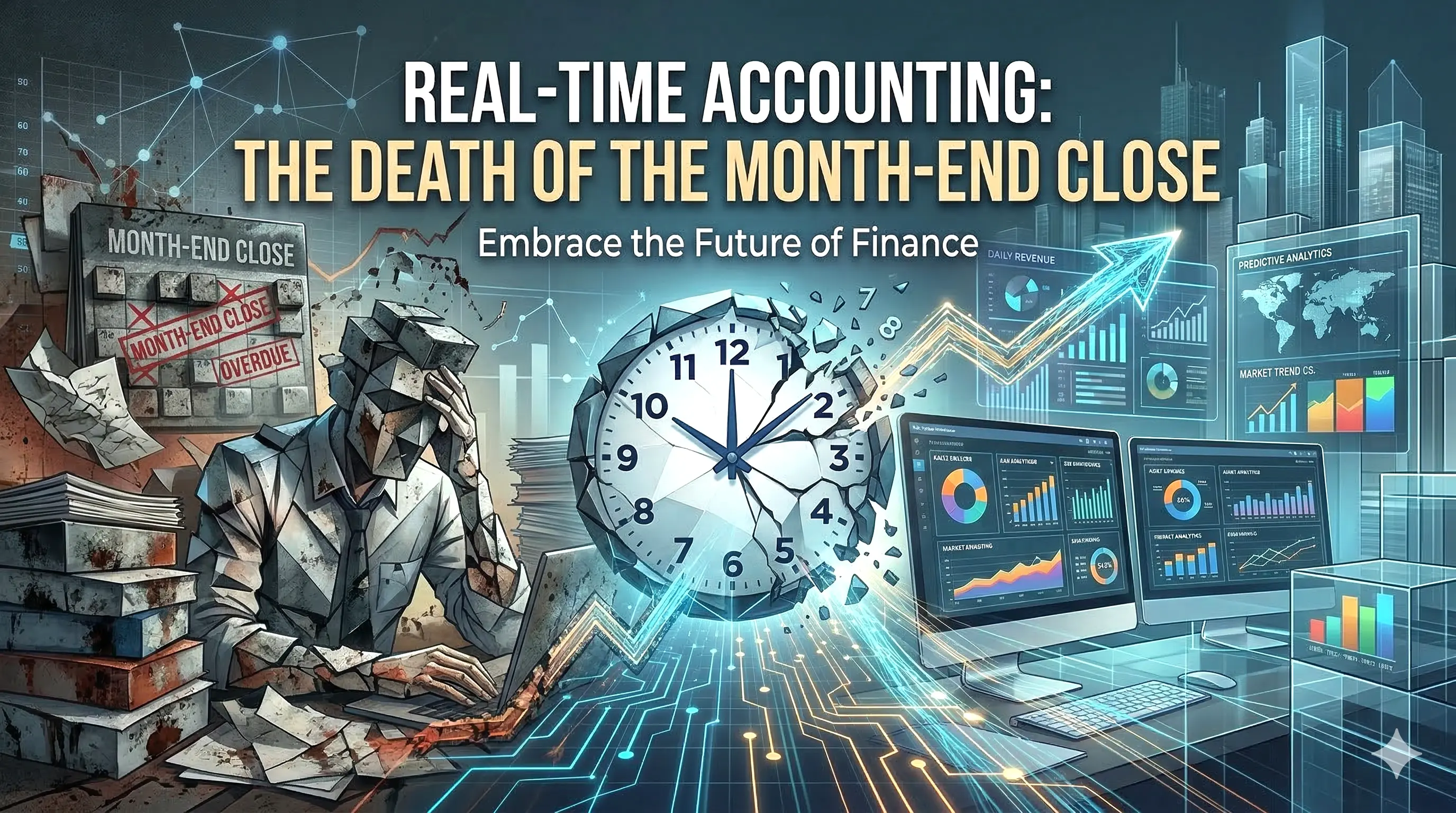
For generations, the rhythm of the accounting department has been dictated by the month-end close. It was a frantic, stressful period of journal entries, reconciliations, and manual adjustments—often taking two weeks or more to complete. But in 2025, this ritual is becoming a relic of the past. We are entering the era of Real-Time Accounting, also known as the Continuous Close.
This shift is enabled by cloud-based Enterprise Resource Planning (ERP) systems and automation. In a real-time model, transactions are recorded, classified, and reconciled as they happen. Bank feeds are integrated directly into the ledger. Expense reports are auto-categorized by AI. Intercompany transactions are matched and settled instantly. There is no "closing" because the books are always already closed.
The benefits are profound. Instead of waiting 15 days to discover that a product line was unprofitable, a CFO can see it on a dashboard on the 2nd of the month—or in real-time—and make corrective decisions immediately. This transforms the finance function from a historical reporter into a strategic business partner.
For accountants, this changes the nature of their work dramatically. The drudgery of data entry and manual reconciliation is automated. In its place, the accountant's role becomes one of analysis and oversight. They become "financial detectives," investigating anomalies flagged by the AI, interpreting trends, and advising business leaders on the implications of the real-time data. By 2026, the ability to close the books in 24 hours or less will be a competitive differentiator, and the phrase "working late for month-end" will fade from the corporate lexicon.
Reader Comments (0)
Leave a Comment
Your email address will not be published. Required fields are marked *